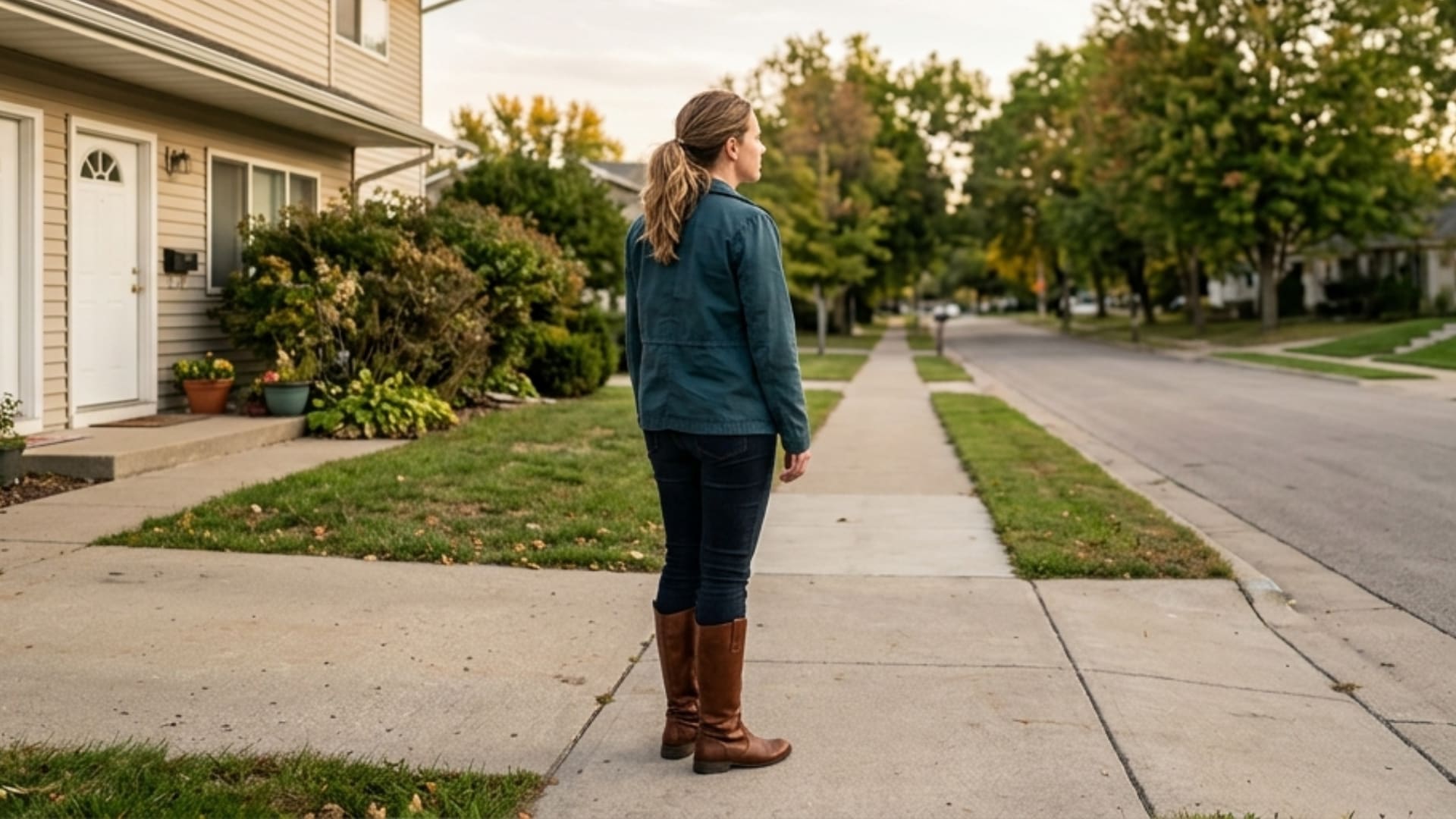

If you're renting, have a credit score under 580, and don't have money saved for a down payment or closing costs, you may feel like buying a home isn't realistic for you.
It may not be realistic today.
But that doesn't mean you can't create a plan to become a homeowner.
As a Realtor, I believe my job isn't always to get you into a house as quickly as possible. Sometimes my job is to help you understand what needs to happen first, create a realistic plan, and connect you with the right professionals to help you get there.
Here is where I would start.
1. Find Out What Is Actually Affecting Your Credit
Before you start looking at houses, understand what's happening with your credit.
Start by getting a copy of your credit report from a reputable source and review it carefully.
Look for things such as:
• Collections
• Missed or late payments
• High credit card balances
• Accounts you don't recognize
• Other outstanding debts
In my experience working with buyers, high credit utilization, collections and missed payments are some of the issues that can make becoming mortgage-ready more difficult.
The important thing is to identify the specific problems you're dealing with instead of assuming everyone needs the same solution.
2. Start Working on the Problems
Once you know what's affecting your credit, you can begin addressing those issues.
One recommendation I commonly give is to work toward keeping revolving credit card balances below 30% of the available credit. That's a commonly used benchmark, but your individual situation can be different.
If you've paid a credit card down and aren't using it anymore, don't automatically close the account. Closing an account can affect your credit profile, so it's worth discussing your specific situation with a qualified credit professional.
And make your payments on time.
These steps may sound simple, but consistency matters.
If you need additional help, I can also help connect you with a credit counselor or financial coach when appropriate.
3. Create a Real Housing Budget
If you don't have money saved for a down payment or closing costs, budgeting isn't optional. It's part of becoming purchase-ready.
You want to know where your money is going each month.
Look at your income and expenses and ask yourself:
What am I spending money on that I don't actually need?
How much can I realistically put toward a housing fund every month?
How much do I need to save?
How long will it take me to reach that goal?
Don't just tell yourself that you need to "save more."
Create a number and a timeline.
Even if the timeline is longer than you initially hoped, having a realistic plan gives you something you can work toward.
4. Don't Assume You Have to Pay Every Upfront Cost Yourself
This is where I encourage prospective buyers to learn about available homebuyer assistance programs.
There are programs that may help qualified buyers with some of the upfront costs of purchasing a home. But eligibility requirements vary, and programs can change.
For example, the City of Rochester's Home Purchase Assistance Program currently offers eligible first-time buyers up to $8,000 in closing-cost assistance. The program has specific requirements, including purchasing an eligible property in the City of Rochester and contributing $1,500 of your own funds. Buyers must also receive eligibility approval before executing a purchase offer. (cityofrochester.gov)
New York's SONYMA programs also offer down payment assistance. SONYMA's current DPAL program can provide qualifying buyers assistance toward down payment and certain closing-related expenses. SONYMA also currently has a limited DPAL PLUS 2026 program that can provide up to $30,000 for qualifying buyers, subject to income, program, property and funding requirements. (hcr.ny.gov)
The important takeaway is not that everyone will qualify for these programs.
It's that you shouldn't assume you have no options before finding out what programs may be available to you.
5. Consider All of Your Potential Resources
When you're working toward homeownership, don't assume your checking and savings accounts are the only resources available to you.
Depending on your circumstances, you may have other financial resources worth discussing, including funds you may have accumulated through an employer-sponsored retirement account.
That doesn't mean you should automatically use retirement funds to purchase a home. There are rules and potential financial considerations that depend on your individual situation.
If you are considering using retirement funds as part of your homebuying strategy, speak with a qualified financial coach or your lender to understand whether it may be an option for you and what considerations you should be aware of.
The goal is to understand your options so you can make an informed decision about how to prepare for homeownership.
6. Understand What Your Credit Score Means
A credit score below 580 can affect your mortgage options.
For example, FHA's published requirements establish different minimum down payment requirements based on credit score. FHA guidelines provide for a 3.5% minimum down payment for borrowers with a qualifying score of 580 or higher, while borrowers with scores from 500 to 579 generally face a 10% minimum down payment under FHA's baseline requirements. (hud.gov)
That does not mean someone with a score below 580 can simply get an FHA loan by putting 10% down.
Mortgage approval depends on the complete financial picture, the specific loan program and the lender's requirements.
That's why I don't recommend looking at your credit score by itself and assuming you know whether you can qualify.
Talk to a qualified lender about your specific situation.
7. Don't Be Afraid to Start the Conversation Before You're Ready
You don't have to wait until everything is perfect before you start learning.
In fact, I think starting earlier can be helpful.
If you know you eventually want to own a home, understanding what a lender will need from you can help you create a better plan.
You may learn that you're closer than you thought.
You may also learn that you need to spend six months, a year or longer improving your financial position.
That's okay.
The goal isn't to rush you into buying.
The goal is to help you understand what needs to happen so you can make an informed decision about when you're ready.
8. Know Who Is On Your Team
Buying a home involves several professionals, and understanding their roles can make the process much less confusing.
A loan officer helps you understand financing and evaluates your ability to qualify for a mortgage.
A Realtor helps you navigate the real estate side of the transaction, including finding appropriate properties, understanding market value, developing an offer strategy and navigating the transaction through closing.
Other professionals, including attorneys and financial or credit professionals, may become involved depending on your circumstances.
My role isn't to pretend I know everything about every part of the process.
My role is to help you navigate the real estate side, explain what I can, identify questions that need answers and help connect you with the right professionals when something falls outside my area.
9. Your First Step May Not Be a Home Showing
If you're currently renting, your credit score is under 580 and you don't have much money saved, I wouldn't necessarily tell you to start touring homes tomorrow.
I'd tell you to start with a homebuyer readiness conversation.
Let's look at where you are today and identify the steps that may help you get where you want to go.
That could mean:
• Working on your credit
• Paying down debt
• Creating a housing budget
• Building savings
• Learning about assistance programs
• Speaking with a qualified lender
• Establishing a realistic timeline
• Understanding what you'll need before you're ready to make an offer
You don't need to have everything figured out before you ask questions.
You just need to be willing to start.
From Renter to Homeowner Starts With a Plan
Homeownership may not happen overnight.
But if owning a home is a goal, don't let a low credit score or a lack of savings convince you that you shouldn't even explore your options.
Start by understanding where you are.
Then determine what needs to change.
Create a realistic plan.
And surround yourself with professionals who can help you navigate the process.
As a Realtor, I want to be more than the person you call when you're ready to see a house. I want to help you understand the process and determine what steps make sense for your situation.
If you're renting and want to know whether you're on the path toward homeownership, contact me to schedule a buyer readiness consultation. We can talk about where you are now, what you may need to work on and what your next steps could look like.
Sources
- City of Rochester, Home Purchase Assistance Program
- New York State Homes and Community Renewal, SONYMA Down Payment Assistance Loan
- New York State Homes and Community Renewal, DPAL PLUS 2026
- U.S. Department of Housing and Urban Development, FHA Single Family Housing Policy Handbook